
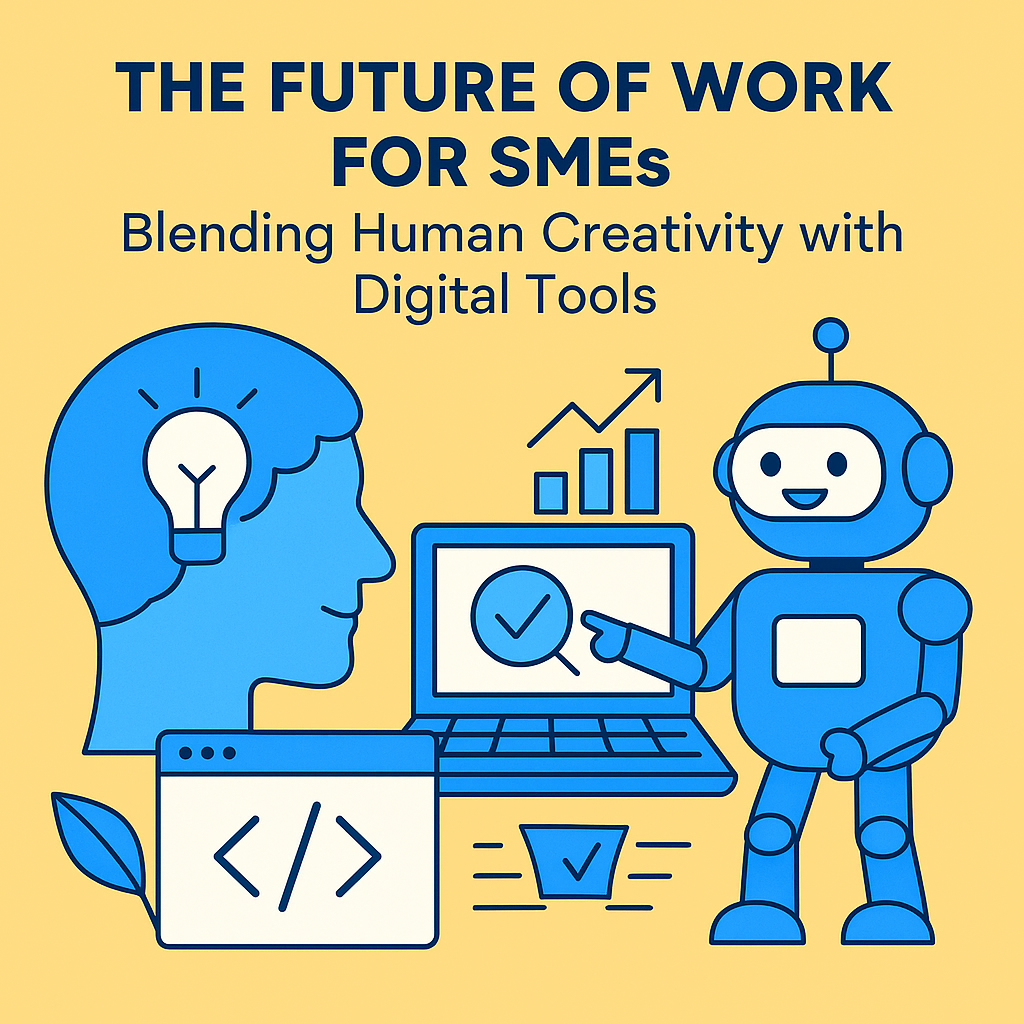
The Future of Work for SMEs: Blending Human Creativity with Digital Tools
Introduction
For small and medium-sized enterprises (SMEs), the future of work is not about replacing people with technology — it’s about finding the right balance between human creativity and digital tools. In a fast-changing business environment, SMEs that combine innovation with efficiency can stay competitive, deliver better customer experiences, and scale sustainably.
By blending automation, digital platforms, and human ingenuity, small businesses can achieve the best of both worlds: authentic customer connections powered by smart technology.
Why the Future of Work Matters for Small Business
SMEs face unique challenges — limited budgets, lean teams, and increasing customer expectations. Adopting digital tools helps solve these issues by:
- Automating repetitive tasks.
- Enhancing decision-making with data.
- Expanding reach through online platforms.
Yet, what keeps customers loyal is the human touch. The future of work for small business is about combining both — efficiency through tools, and creativity through people.
Key Ways SMEs Can Blend Human and Digital Strengths
1. Automate Routine, Keep Creativity Human
Tasks like appointment scheduling, invoicing, or email follow-ups can be automated using tools like HubSpot, Mailchimp, or Zapier.
- Benefit: Teams save time to focus on creative work — strategy, product design, and storytelling.
2. Enhance Customer Interactions with a Human + AI Approach
AI chatbots can handle FAQs and direct queries, but complex issues should still be escalated to human staff.
- Result: Customers enjoy fast responses without losing authentic human support.
3. Use Data Tools to Inform Creative Decisions
Analytics platforms like Google Analytics, SEMrush, or Zoho give SMEs insight into customer behaviour.
- Human touch: Use these insights to craft more compelling campaigns, not just optimise numbers.
4. Build Flexible, Hybrid Teams
The workplace of the future blends remote collaboration with digital platforms.
- Tools like Slack, Trello, and Zoom keep communication seamless.
- Creative brainstorming and client engagement remain human-driven.
Tip: Flexibility helps SMEs attract and retain talent while staying agile.
5. Focus on Authentic Storytelling Powered by Digital Distribution
Digital platforms amplify reach, but the stories that resonate come from human experiences.
- Use social media, email marketing, and blogs to share authentic brand stories.
- Support with automation tools to distribute content consistently.
Benefits of Blending Human and Digital Strengths
- Efficiency: Automation handles repetitive work.
- Authenticity: Human creativity drives unique connections.
- Scalability: Digital tools allow SMEs to compete with larger firms.
- Customer loyalty: The right balance builds trust and long-term relationships.
Conclusion
The future of work for small business lies in balance. SMEs that integrate digital tools for efficiency while nurturing human creativity for authenticity will thrive in the modern marketplace.
Rather than choosing between humans and technology, the key is to let each play to its strengths — digital platforms for scale, and people for meaningful engagement. Together, they create a business model that is both competitive and customer-centric.


